Design & Engineering Behind High-Performance Excavator Electromagnets
An inside look at magnetic circuit design, coil insulation, and structural durability in industrial lifting magnets.
Management

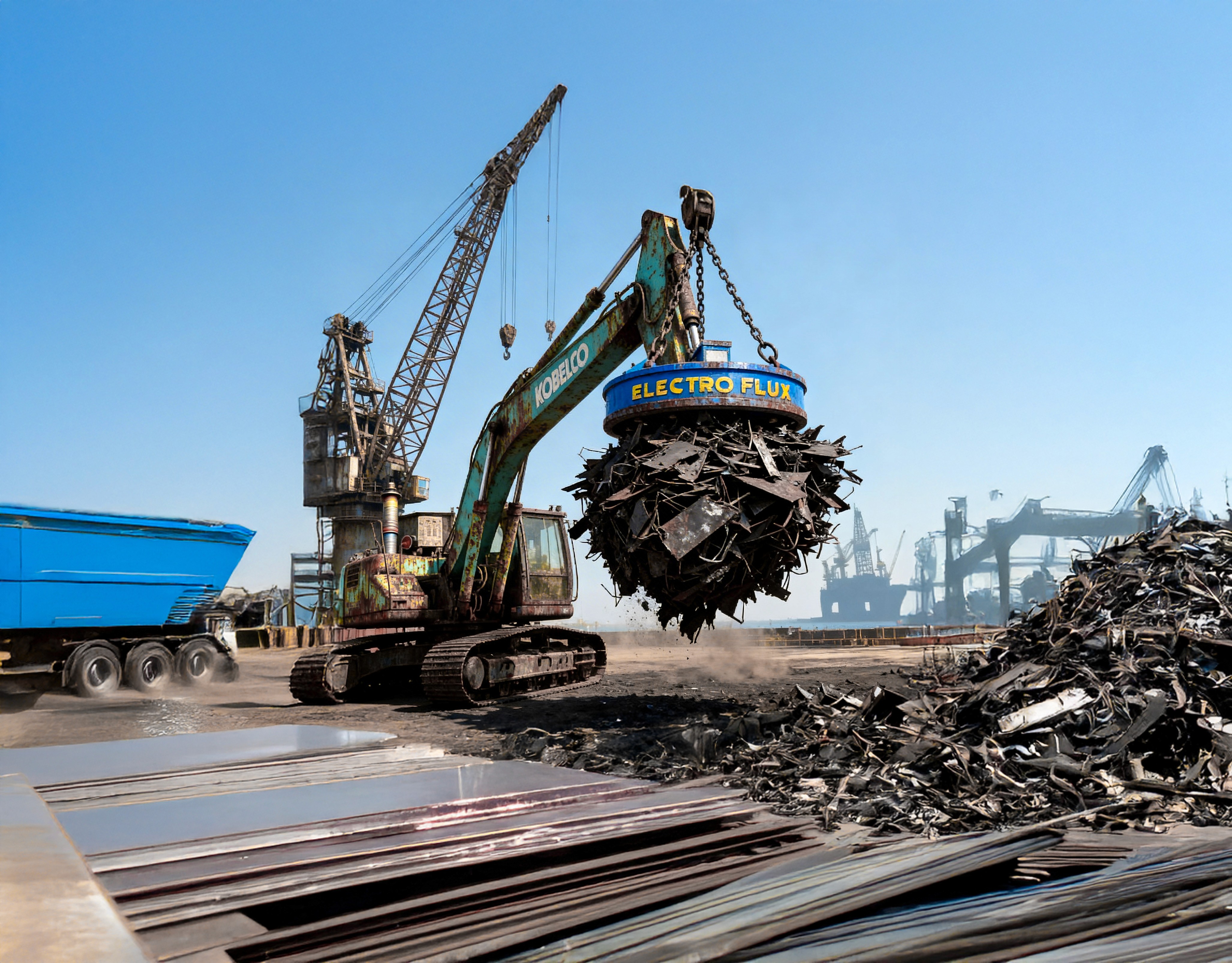
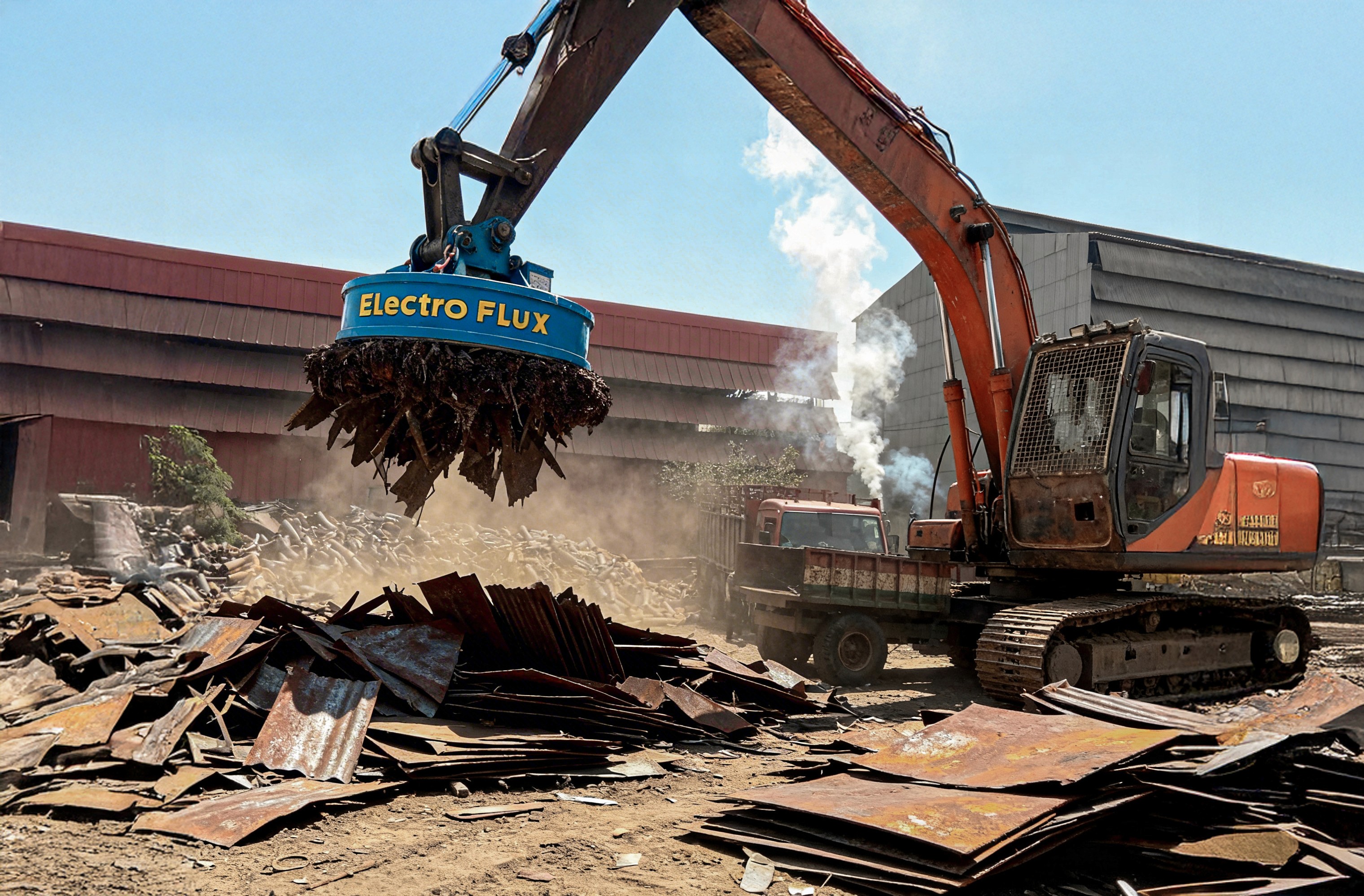
High-performance excavator magnets are engineered through precise magnetic flux calculations and thermal management systems.
Key design elements include:
Optimized Magnetic Circuit
Maximizes lifting force while minimizing energy loss.
High-Conductivity Copper Coils
Ensures strong magnetic field generation with stable performance.
Class H Insulation
Allows continuous duty operation at high temperatures.
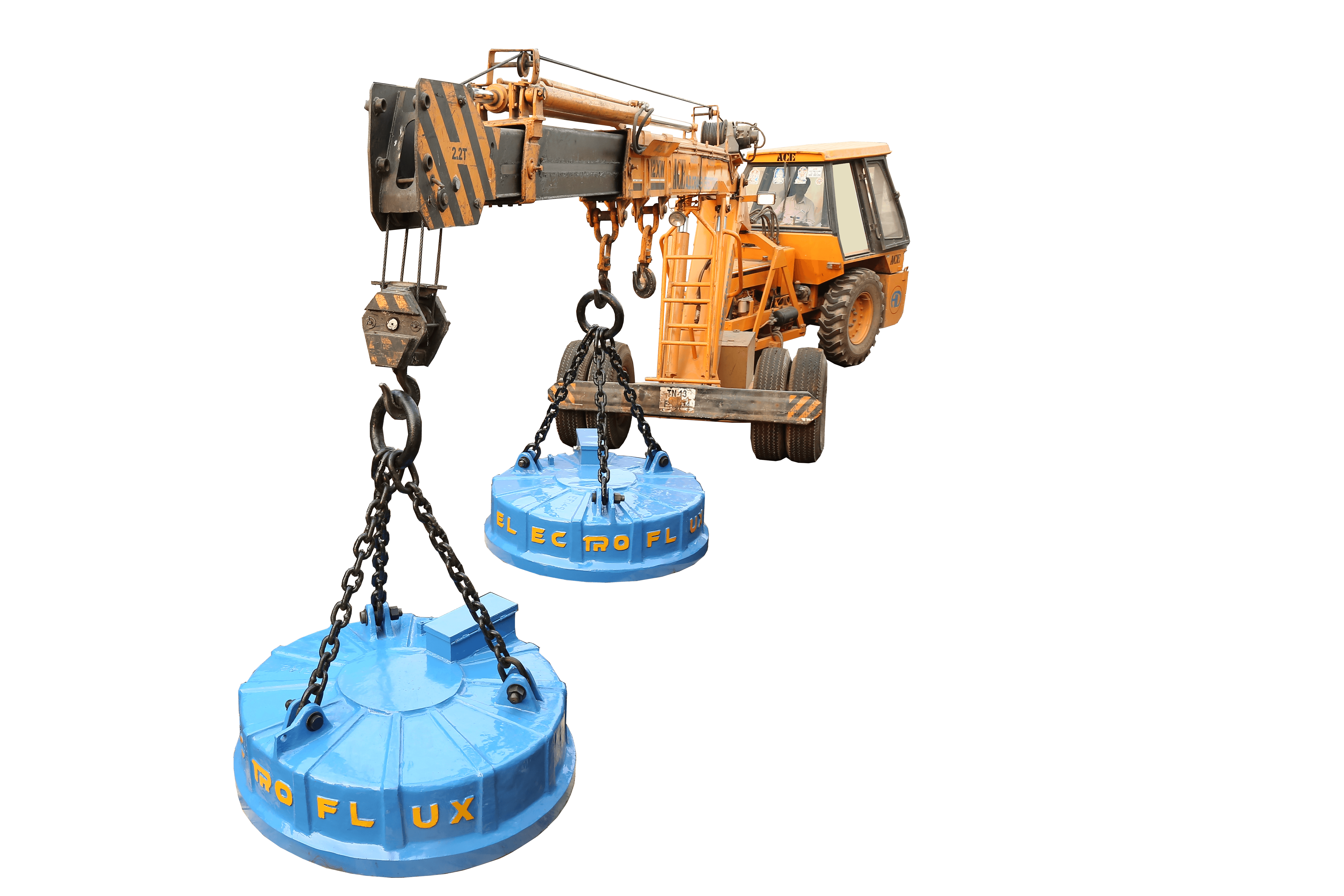
Reinforced Fabricated Body
Absorbs impact and protects internal winding system.
Wear-Resistant Bottom Plate
Designed for contact with abrasive scrap materials.
Engineering precision directly affects:
Lifting efficiency
Power consumption
Heat resistance
Equipment lifespan
Industrial-grade magnets are not simply fabricated — they are engineered systems designed for durability and performance consistency.