Choosing the Right Excavator Magnet Size for Your Operation

Understanding diameter, lifting force, and excavator compatibility when selecting an industrial electromagnet.

women's brown sleeveless shirt

Tiana Paul

VP Marketing

Tools

A laptop, tablet and mobile on a table

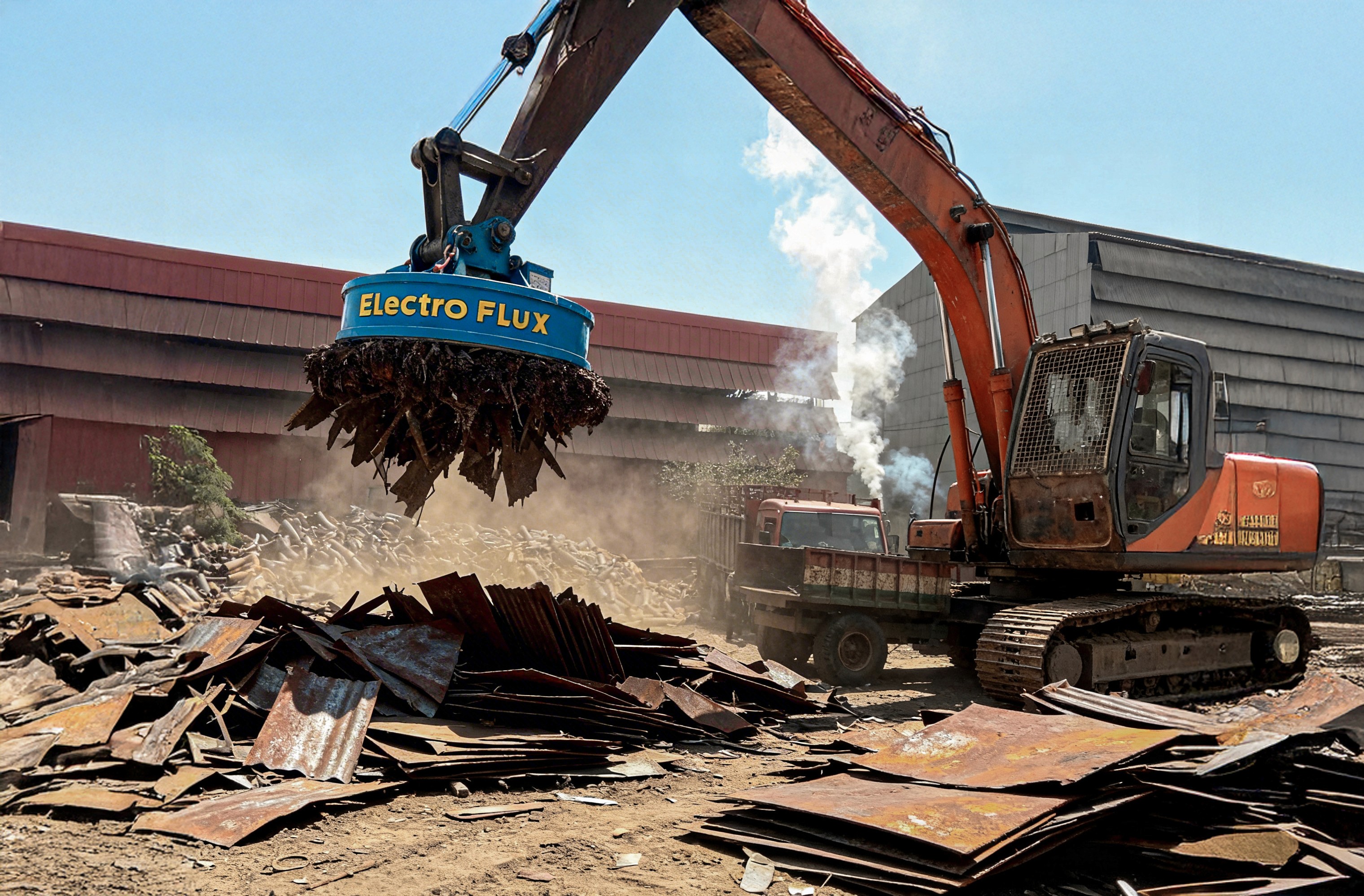
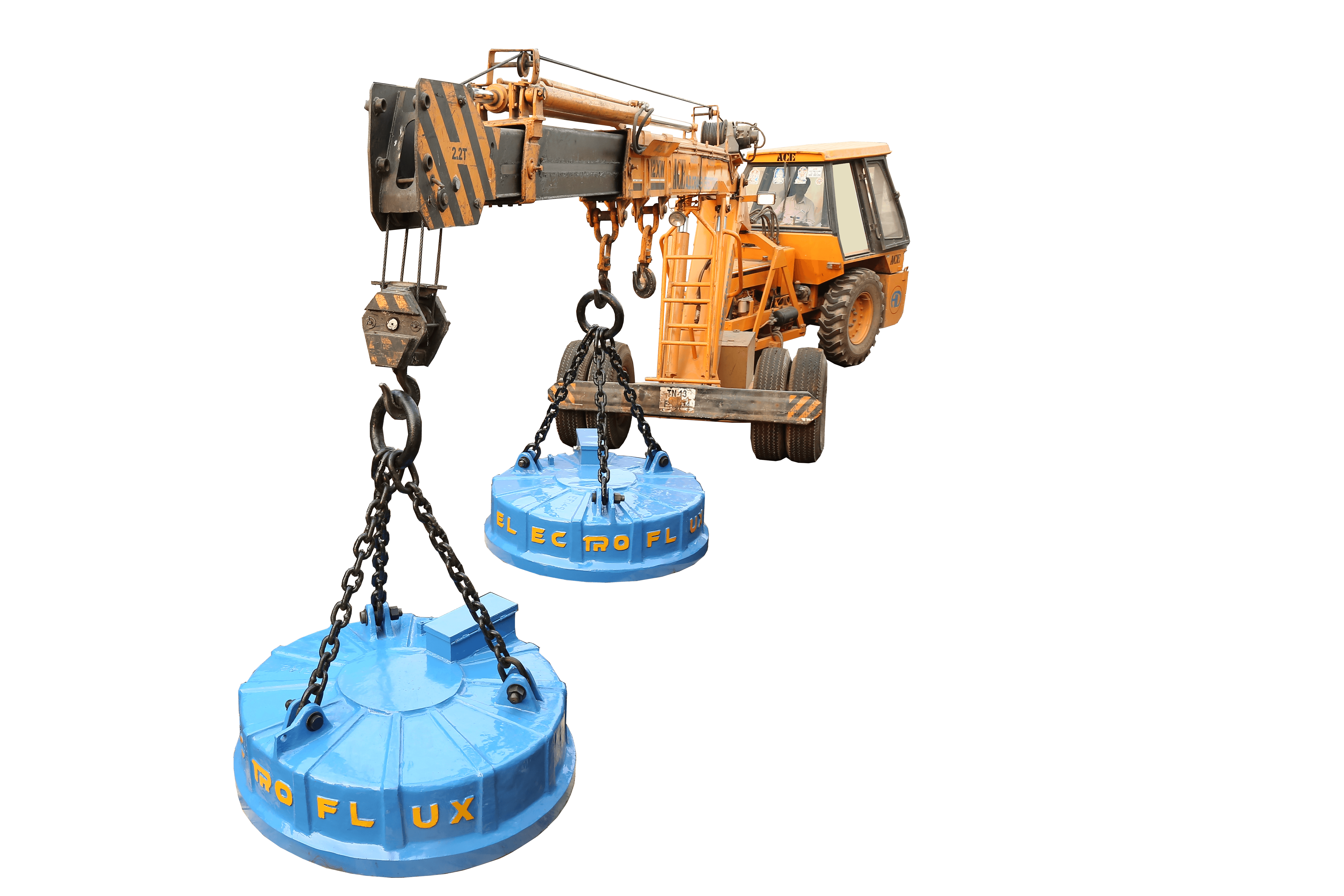
Selecting the correct magnet size is not about choosing the largest diameter — it is about matching lifting capacity with excavator hydraulic power and operational needs.

Key factors to evaluate:

1. Scrap Density

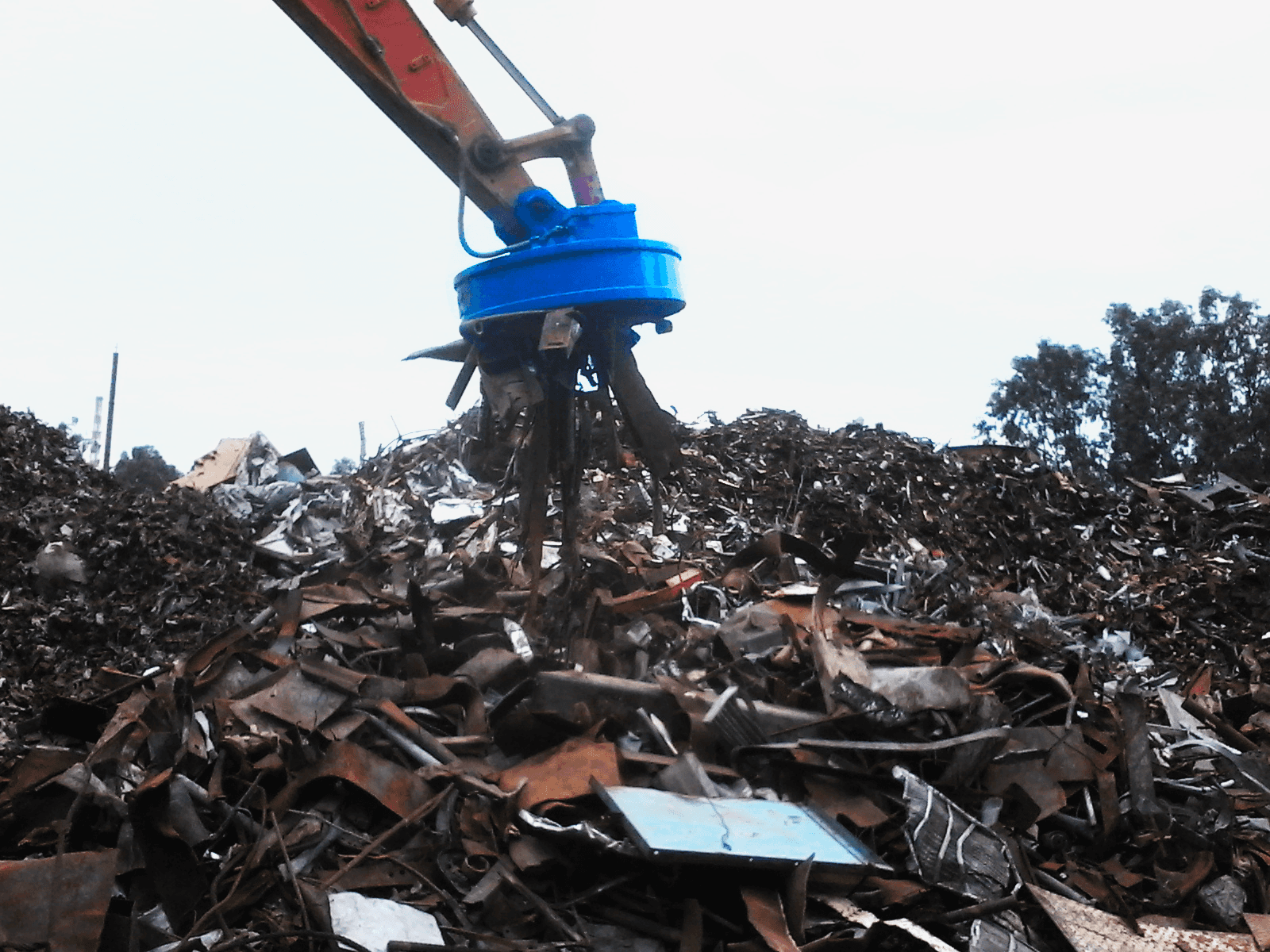
Loose shredded scrap requires different magnetic force compared to heavy HMS bundles.

2. Excavator Tonnage

Magnet diameter must align with the excavator’s lifting capacity to avoid imbalance.

3. Power Supply

Voltage and duty cycle determine holding strength and operational consistency.

4. Duty Cycle Requirements

Continuous loading operations require Class H insulated coils to prevent overheating.

A properly matched system ensures:

  • Stable lifting

  • Reduced wear

  • Longer equipment life

  • Maximum efficiency per cycle

Oversizing or undersizing directly impacts productivity and safety.
Share on social media

Ready to get started

Download Dreelio for free. No credit card required.

Ready to get started

Download Dreelio for free. No credit card required.

FAQs

What is an excavator electromagnet?

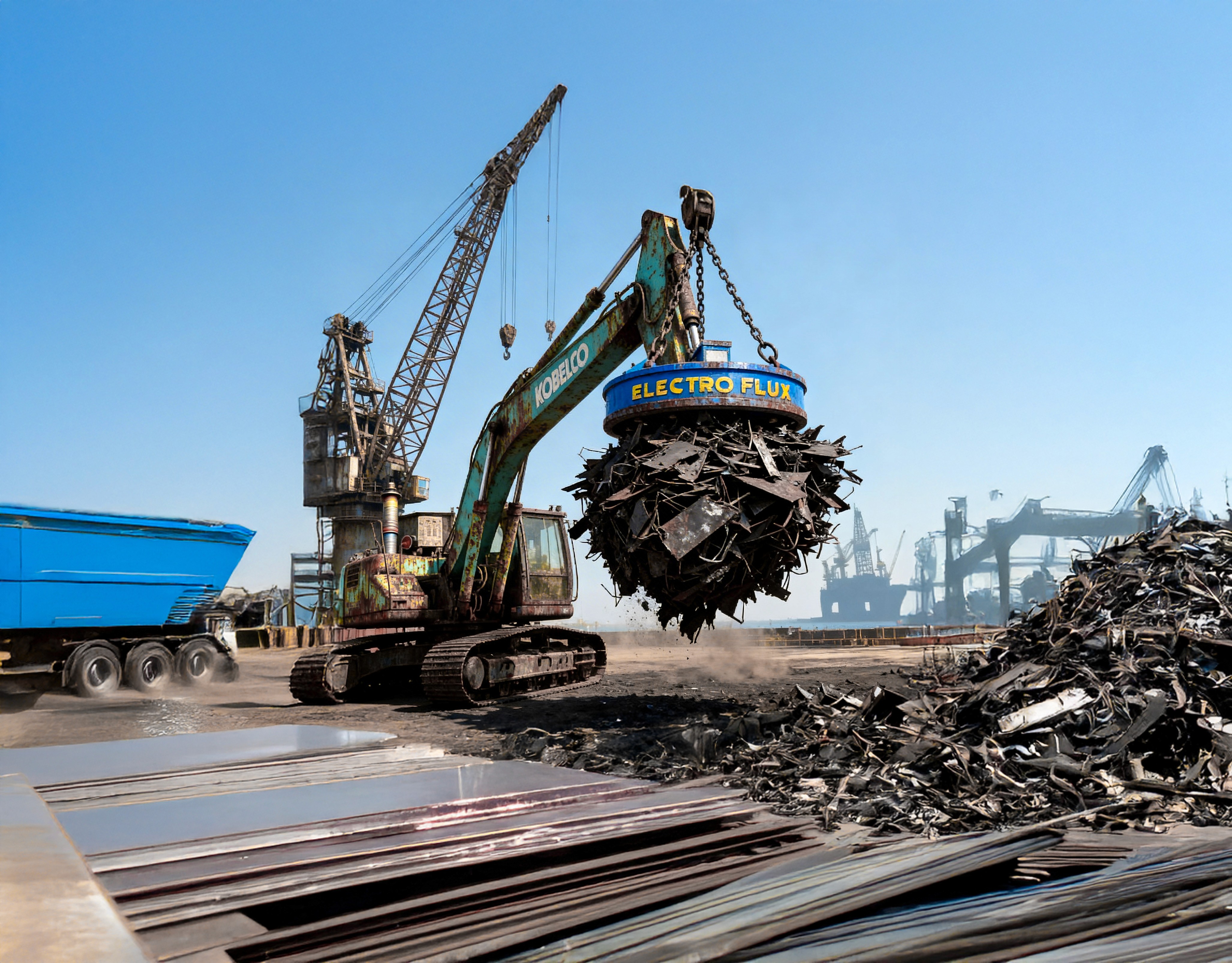
An excavator electromagnet is a magnetic attachment for excavators that lifts and moves ferrous materials like scrap metal, steel plates, and rods. It can be switched on and off for safe handling.

What types of excavator electromagnets are available?

Types include flat lifting plates, circular/disc magnets, permanent magnets, hydraulic or electric magnets, and custom-designed magnets for specific industrial needs.

How do excavator magnets work?

They create a magnetic field when powered by electricity, attracting ferrous materials. Switching off the current releases the load safely.

What are the main benefits of using an excavator magnet?

Benefits include faster material handling, improved safety, precise lifting, versatility across industries, durability, and reduced labour costs.